Your Gala didn't miss its goal.
Your Message missed with the Donors.
Nonprofit galas don't fail because the catering was late or the AV glitched. They fail because nobody in the room felt anything.
Your run of show needs to be an emotional score — and most organizations treat it like a logistics spreadsheet.
Audience First. Every Time.
Your next gala should be the one they talk about.
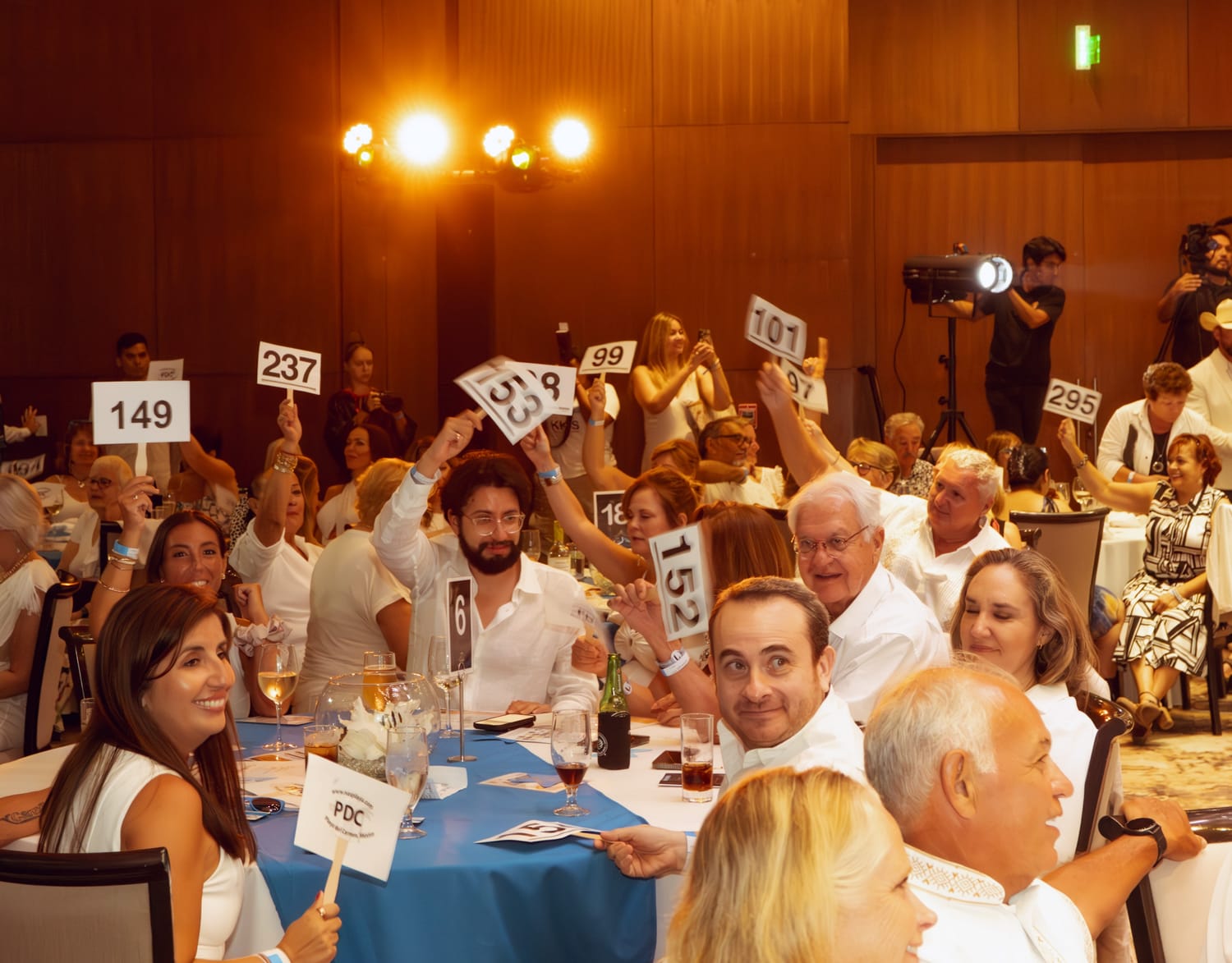
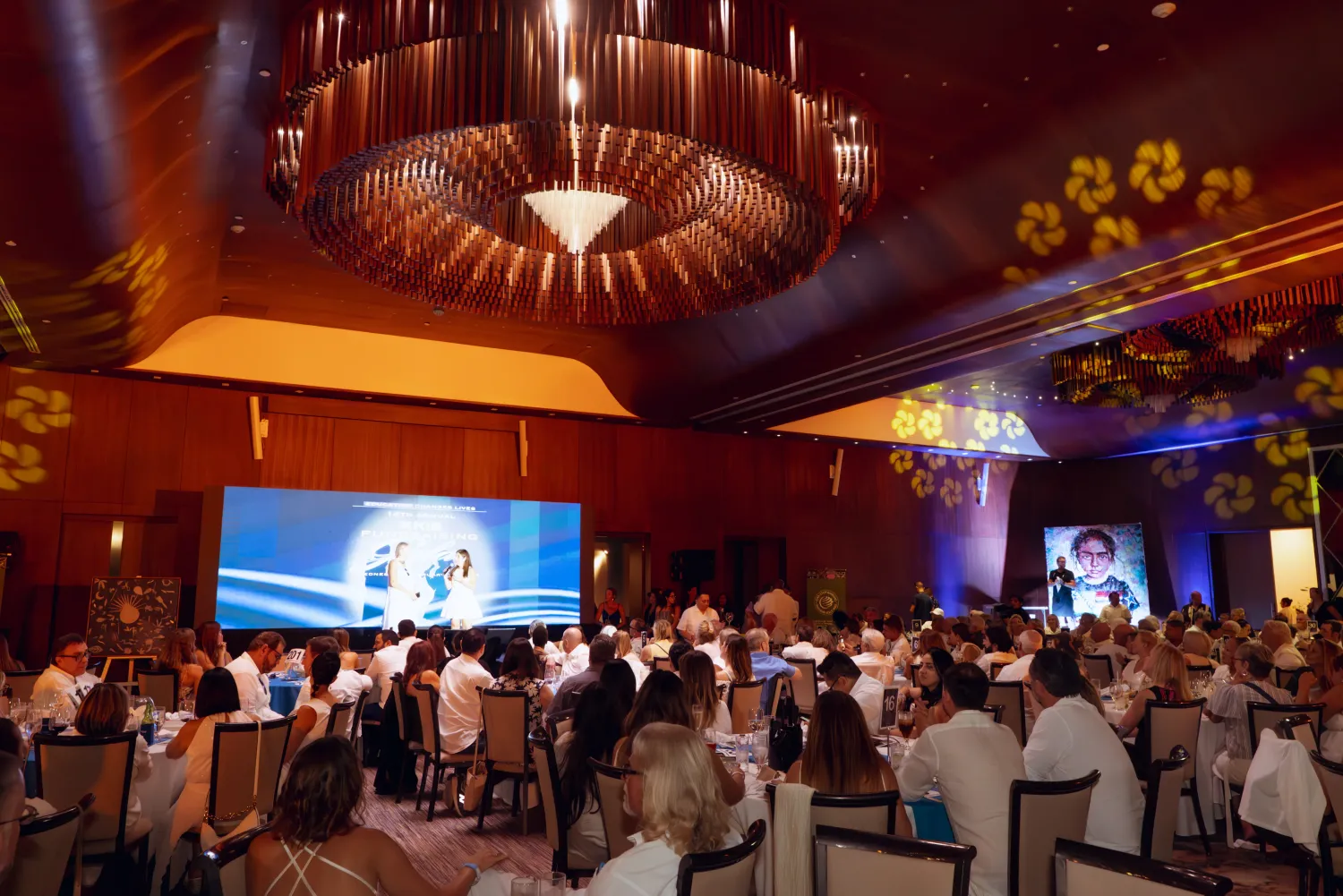
Not because the venue was beautiful or the food was good — but because something happened in that room. The ask landed. The room moved. The number surprised everyone. That doesn't happen by accident. It happens by design.
No long-term contract. No retainer required to start.
The Real Problem
The room was full. The speeches were good enough. So why did the ask fall flat?
Message Drift
The evening had no emotional through-line. Every segment spoke to a different audience.
Cold Ask
Donors reached the fund-a-need moment without ever being moved — logic was presented, not story.
No Audience Design
The run of show was built around what your team needed to say, not what your donors needed to feel.
Disconnected Voices
Every speaker had a different version of your mission. Nobody landed the same note.
In Hollywood, we don't write a script and hope the audience connects. We engineer the connection — scene by scene, beat by beat — before a single camera rolls or a single curtain rises. Your gala deserves the same discipline.
— The Audience First Framework
The Run of Show Operating Methodology
Five stages.
One emotional score.
Every gala, by design.
Most events are assembled. Speakers are booked, dinner is plated, a video plays, and someone makes an ask. The SCORE Framework treats your gala the way Hollywood treats a film — every moment is intentional, every beat earns the next, and the ask lands because the audience was carried there and ready to give.
you have to know who's in that room.
So does every great gala.
Every speaker serves the same throughline.
do you build the run of show.
and when to feel the room.
You can't Run the Score before you See the Room. The sequence isn't a suggestion — it's the discipline.
The Results
Three years.
One organization.
One lesson.
The methodology isn't a nice-to-have. It's the difference between a room that gives and a room that doesn't. Here's the proof — including the year the whole score didn't play.
!
What 2026 Proved
Great speeches don't move a room.
A great score does.
Different venue. Different attendees. Same leadership team. Same event organizer. The variable was message alignment — and the gap between a fully-scored event and a speeches-only engagement was $100,000. The run of show starts long before the doors open.
Ready to see what a fully-scored event could raise for your organization?
How We Work Together
Choose your
level of engagement.
Every tier is built on the same Audience First methodology. The difference is how deep we go - and how much of the score you want written together. Not sure which fits? The template is always the right first step.
- Professional intake form that captures everything that matters
- Customized Run of Show template
- Full emcee script with transition cues
- Messaging guidelines — first announcement through post-event
- Timing blocks, speaker talking points & checklist
- 60-min recorded strategy call to align on goals & story
- Complete Run of Show with contingency timing
- Fully scripted emcee guide with smooth transitions
- 2–3 speeches written in each speaker's actual voice
- Messaging arc across full event lifecycle
- Two rounds of revisions
- Deep-dive strategy call + week-of check-in call
- Complete Run of Show with A/V cues mapped to your venue
- Up to 5 fully written speeches (3–5 min each)
- Polished emcee script + fund-a-need/donor script
- Day-of timeline with staff assignments
- Full messaging: save-the-date through post-event follow-up
- Three rounds of revisions
Every tier is built on the same discipline. The run of show is an emotional score — not a logistics document. Whether you're using the template or the full White Glove system, the Audience First Framework is the foundation of every deliverable.
Not sure which tier fits? Start with the template — it's designed to show you exactly where your event needs the most work.
The Run of Show Playbook
The insider resource
for nonprofit event leaders who want to Read the Room.
Go into the writers' room behind the curtain — the strategy, the frameworks, the real decisions that move a room from polite applause to full paddles up. Not a newsletter. A playbook.
Published on Substack. Free to start. Unsubscribe anytime.
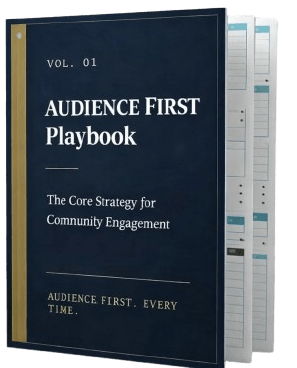
Free Resource
The Run of Show Template
Professionals Use.
Not a spreadsheet. Not a call sheet. A color-coded, three-act run of show built around the emotional architecture of your event — the same template used on events raising six figures in a single night. Fill it in and you'll know exactly where your event is underprepared.
Seven-color department key for instant visual clarity
Three-act structure — built in, not bolted on
A/V cues, contingency columns, speaker timing built in
The questions it forces you to answer are the real deliverable
Free. Immediate download. No gimmicks.

About Rick

Built in Hollywood.
Deployed in the ballroom.
After 25 years designing productions for national commercials, Super Bowl spots, and some of the highest-stakes live events in the country, I kept seeing the same problem in nonprofit galas — organizations treating the run of show like a logistics document instead of an emotional score. The methodology that moves a $100 million film audience works just as precisely in a 300-person ballroom. I built the SCORE Framework to bring that discipline to the organizations doing the most important work.